How to Choose a Livestock Weighing System for Cattle and Sheep?
Choosing a livestock weighing system depends on the animals being weighed, the available handling equipment and how the weight data will be used. For livestock equipment dealers, understanding these requirements helps identify suitable configurations for different farm applications.
1. Key Components of a Livestock Weighing System
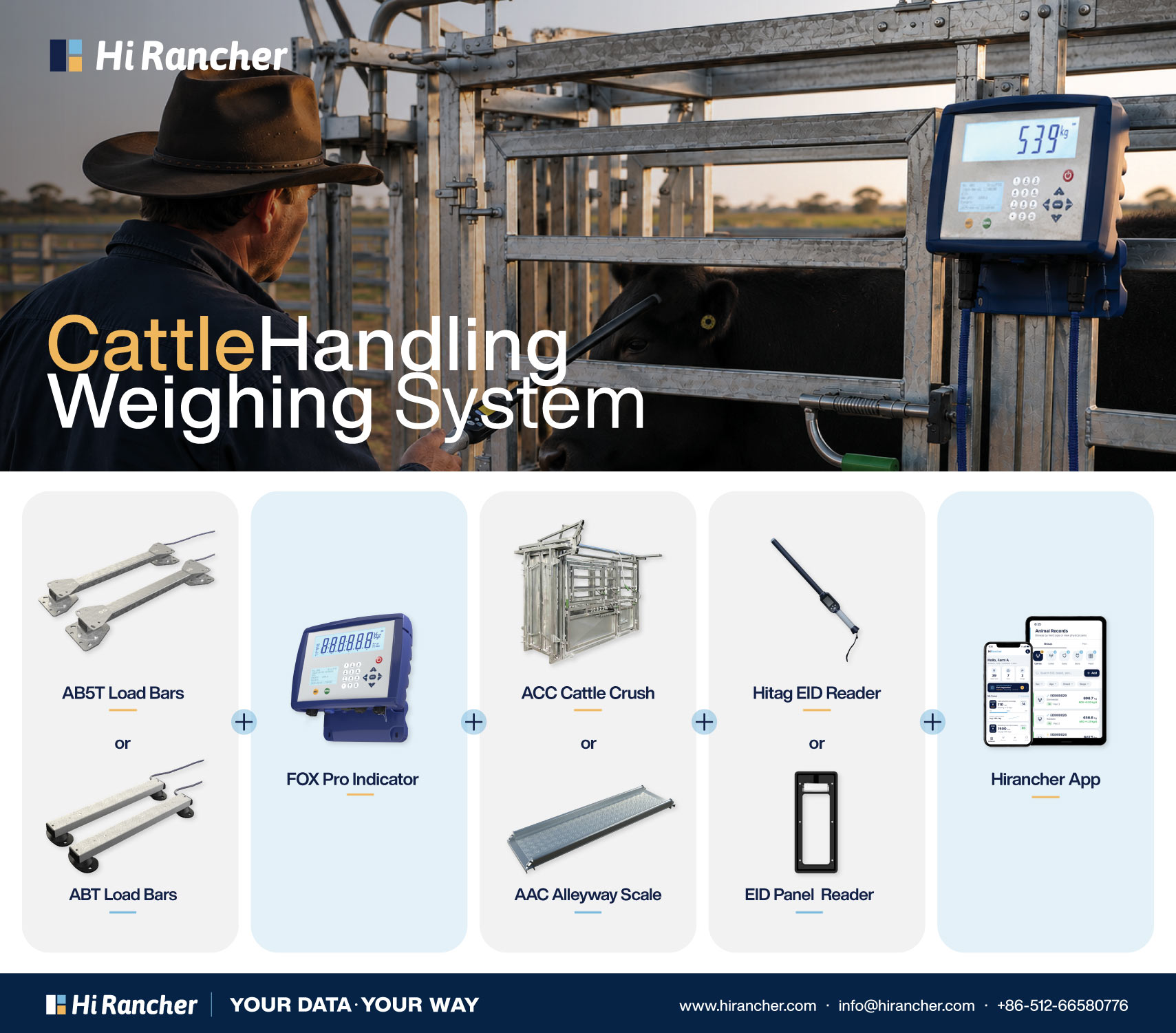
A livestock weighing system typically includes load bars or a weighing platform, a weighing indicator and suitable animal-handling equipment. Farms that need individual animal records may also require an electronic identification (EID) reader.
When selecting equipment, consider the required capacity, installation dimensions, working environment and data requirements. Load bars must fit the supporting structure, and the indicator must work with the load cells and any additional equipment.
2. Cattle and Sheep Weighing Equipment
Cattle weighing systems commonly use load bars fitted beneath a cattle crush or weighing platform. The load bars must suit the structure’s dimensions and total supported load, with stable mounting to ensure reliable weighing.
Sheep weighing systems may use a weighing platform, crate or raceway, depending on the farm’s existing handling equipment. Platform size, capacity and the movement of animals through the weighing area are important considerations.
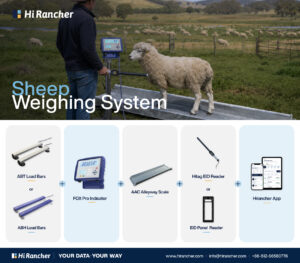
In both cases, the equipment should suit the farm’s handling routine. If farmers need to monitor individual animals over time, EID and weight-recording functions may also be required.
3. Weighing Indicators, EID and Weight Records
The weighing indicator determines how weight data is displayed, stored and transferred. Depending on the model, it may also connect to an EID reader or other data-management equipment. Check the available interfaces and confirm compatibility before choosing the indicator.
With EID, each animal’s identification number can be recorded alongside its weight. When the animal is weighed again, the new measurement can be added to its weight history. These records help farmers monitor growth and calculate average daily gain (ADG) over a defined period.
The equipment must support the required functions. For example, connecting an EID reader does not automatically mean that the system can store individual records or transfer data to farm management software.
4. Upgrading an Existing Livestock Weighing System
Farmers may be able to keep their existing load bars and add new functions by replacing the indicator or connecting an EID reader. This depends on the load cells, wiring, communication interfaces and compatibility of the equipment already installed.
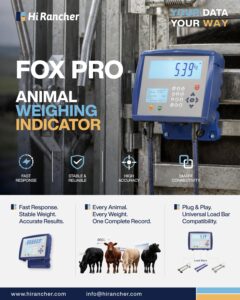
HiRancher offers load bars, weighing indicators and EID equipment for cattle and sheep weighing applications. FOX PRO can be used with a compatible HiTAG reader to link animal IDs with weight records. For dealers planning a new installation or upgrading an existing setup, the required equipment can be assessed against the customer’s weighing and data-recording needs.