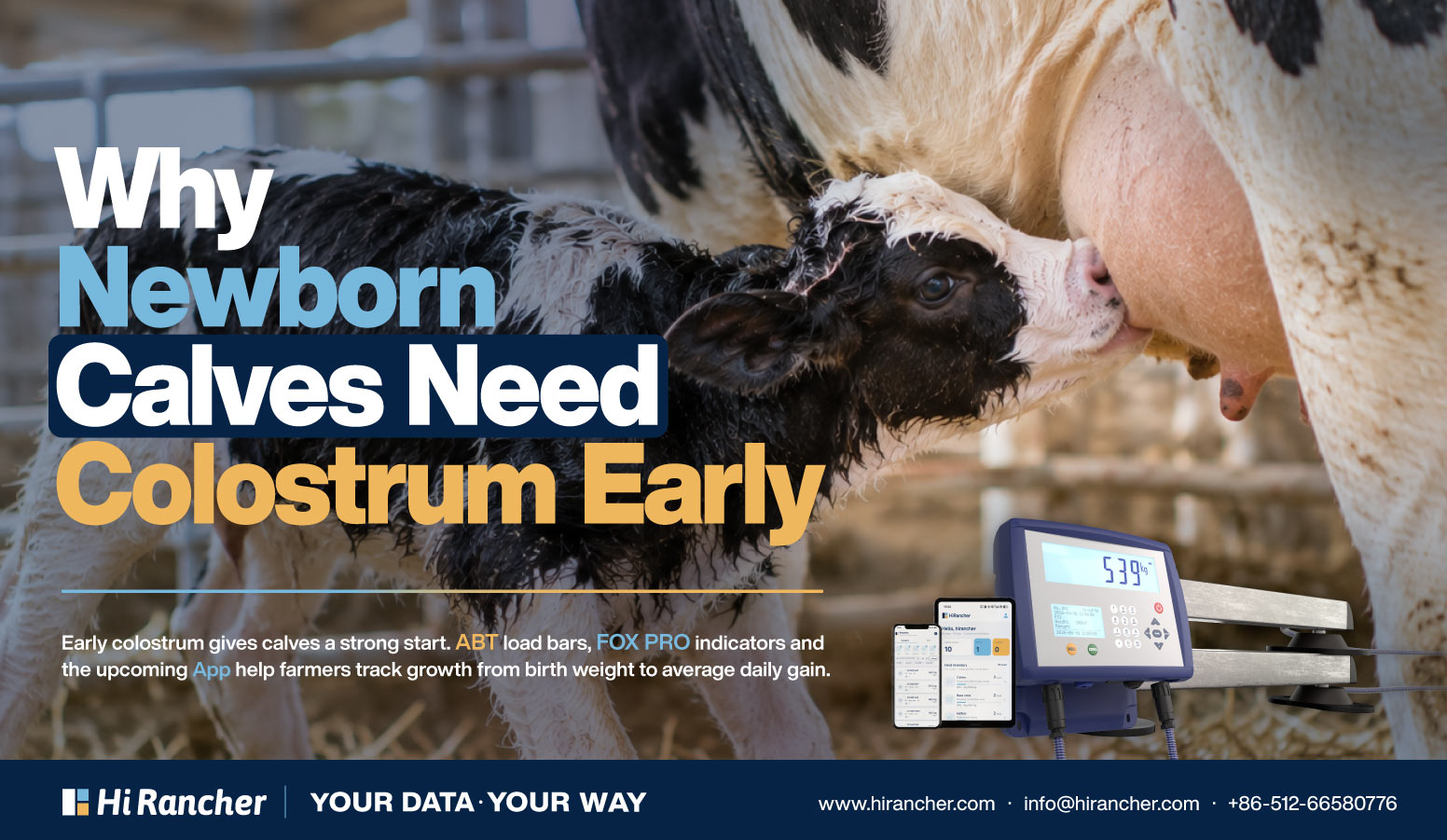
Why Newborn Calves Need Colostrum Early?
The first few hours after birth are crucial for the calf’s health. Unlike some other mammals, calves receive very little maternal antibody through the placenta. Therefore, they must depend on colostrum to obtain essential early immune protection.
Why Is Colostrum Important?
Colostrum is the first milk produced by a cow after calving. Compared with regular milk, it contains much higher levels of immunoglobulins, particularly IgG, which help protect newborn calves against infectious diseases.
It also provides energy and nutrients needed during the first days of life.
After consuming colostrum, the calf absorbs these antibodies through its small intestine into the bloodstream. This is known as passive immune transfer, which helps protect the calf while its own immune system is still developing.
Why Does Timing Matter?
The intestines of a newborn calf can only absorb complete antibodies within a limited period of time after birth.
This ability is highest in the first few hours and gradually declines as the intestinal lining matures. By around 24 hours, the intestine has largely lost its ability to transfer these antibodies into the bloodstream.
For this reason, the first colostrum feeding should take place as soon as possible, ideally within 1–2 hours after birth. Delayed feeding reduces the amount of antibody the calf can absorb.
What Makes a Newborn Calf’s Digestive System Different?
Although calves are born with four stomach compartments, their rumen is not yet fully developed. It lacks the mature microbial population needed to ferment solid feed.
When a calf drinks milk, the oesophageal groove directs it past the rumen into the abomasum, where it is digested. The rumen develops gradually as the calf begins eating solid feed.
This is different from antibody absorption that occurs in the small intestine.
Continuous Monitoring of Calf Growth Is Essential
Good colostrum management gives calves a better start, but monitoring should continue as they grow.
Recording birth weight provides a baseline for future growth comparisons. Regular weighing helps farmers track weight changes, calculate average daily gain and identify calves that may need extra attention.
HiRancher ABT load bars and FOX PRO weighing indicators help farmers record individual animal weights and monitor growth performance over time.