



Livestock Weighing Systems: Complete Guide to Modern Farm Management Solutions
Introduction to Livestock Weighing
Livestock weighing systems have become essential tools for modern farm management, enabling producers to track animal growth, optimize feeding programs, and make data-driven decisions that directly impact profitability. As the agricultural industry continues to embrace precision farming technologies, accurate weight measurement has emerged as a cornerstone of efficient livestock operations.
HiRancher specializes in providing comprehensive weighing solutions designed specifically for the unique challenges of livestock farming. From rugged load bars to intelligent weighing indicators with EID integration, modern livestock weighing equipment enables farmers to capture precise measurements quickly and efficiently.
Benefits of Accurate Livestock Weighing
Improved Herd Management
Regular livestock weighing provides critical data for monitoring individual animal performance and overall herd health. By tracking weight gain patterns, farmers can identify underperforming animals early and adjust nutrition programs.
Optimized Feeding Programs
Precise weight data enables farmers to calculate exact nutritional requirements for different animal groups, reducing feed waste while ensuring optimal growth rates.
Better Marketing Decisions
Knowing exact animal weights allows producers to time sales strategically, maximizing returns by selling animals at optimal market weights.
Types of Livestock Weighing Equipment
Weighing Indicators
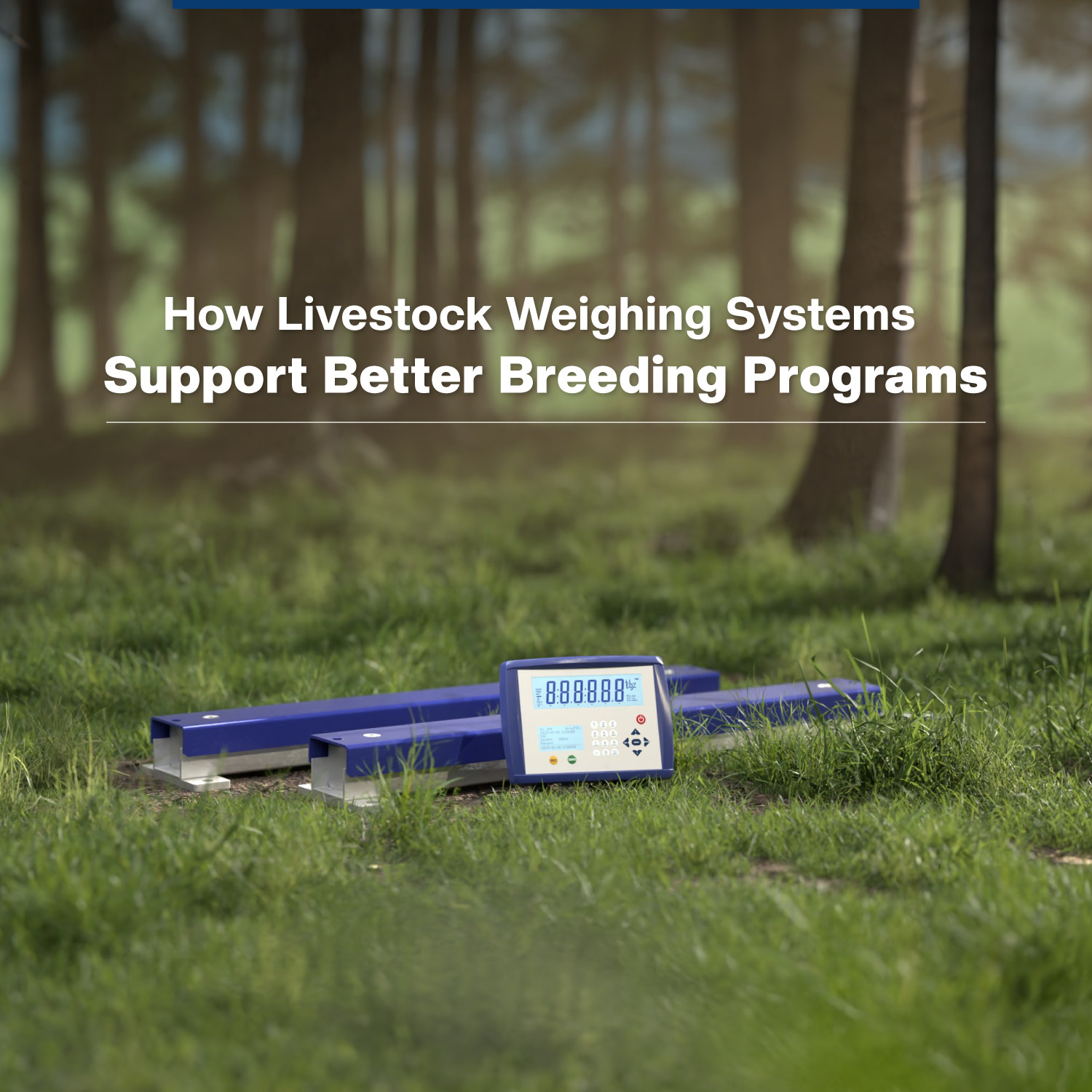
The weighing indicator serves as the brain of any livestock scale system. Modern indicators like the FOX PRO Weighing Indicator offer advanced features including EID tag reader integration, Bluetooth connectivity, and rugged construction.
Barras de carga
Load bars are the foundation of livestock scale systems, supporting the platform while measuring weight through precision strain gauges. Available in various capacities from 2,000 kg to 5,000 kg.
Cattle Chute Scales
El Cattle Chute scale allows producers to capture weights during routine handling procedures.
EID Integration and Data Management
Electronic Identification
Modern weighing systems integrate with EID technology, enabling automatic animal identification. The Lector de EID devices store up to 20,000 animal IDs and support instant Bluetooth or USB data export.
Choosing the Right System
Capacity Requirements
Select equipment with appropriate capacity. Cattle operations typically require 5,000 kg capacity systems, while sheep and pig operations may find 2,000-3,000 kg systems sufficient.
Environmental Durability
Look for IP65 or higher ingress protection ratings and corrosion-resistant finishes on all metal components.
Installation and Calibration
Professional Installation
Proper installation ensures accurate, reliable weighing performance. Professional installation services ensure level mounting and correct calibration.
Regular Calibration
Most manufacturers recommend annual calibration by qualified technicians.
Maintenance Best Practices
Daily Care
Remove debris from scale platforms, check cable connections, and verify indicator displays are clean and readable.
Seasonal Maintenance
Before and after busy seasons, perform thorough equipment inspections including load bar seal integrity verification and calibration verification.
Future of Livestock Weighing Technology
Automated Weighing
Walk-through weighing systems capture animal weights automatically as livestock move through handling facilities.
AI-Powered Analytics
Artificial intelligence algorithms analyze weight data alongside other performance metrics to predict health issues and optimize marketing timing.
Conclusión
Livestock weighing systems provide the foundation for data-driven farm management. By investing in quality equipment from reputable suppliers like HiRancher, farmers ensure reliable performance and comprehensive support.
As precision agriculture continues advancing, livestock weighing technology will play an increasingly central role in sustainable, efficient farm operations.
Understanding Livestock Weight Data
Weight Gain Analysis
Tracking weight gain over time provides valuable insights into animal health and nutrition program effectiveness. Modern weighing systems enable farmers to calculate average daily gain (ADG) for individual animals and groups, identifying trends that inform management decisions.
Weight data analysis helps identify:
- Health issues: Sudden weight loss or reduced gain rates often indicate illness before visible symptoms appear
- Nutrition deficiencies: Consistently low ADG across groups suggests feed quality or quantity problems
- Genetic performance: Comparing weight gain between different bloodlines informs breeding decisions
- Marketing timing: Predicting when animals will reach target weights optimizes sale planning
Data Integration and Reporting
Modern livestock weighing systems integrate with farm management software, enabling comprehensive data analysis and reporting. Cloud-based platforms store historical weight records securely while providing access from any device with internet connectivity.
Advanced reporting features include:
- Growth curves: Visual representations of weight gain over time
- Group comparisons: Benchmarking performance across different management groups
- Trend analysis: Identifying seasonal patterns and long-term performance trends
- Export capabilities: Generating reports for advisors, veterinarians, and regulatory compliance
Return on Investment Considerations
Direct Cost Savings
Livestock weighing systems generate measurable returns through:
- Reduced feed costs: Precision feeding based on actual weights eliminates overfeeding
- Improved market timing: Selling at optimal weights maximizes returns
- Health intervention savings: Early detection of health issues reduces treatment costs
- Labor efficiency: Automated weighing and data capture reduce handling time
Payback Period
Most livestock weighing systems achieve payback within 1-2 years through improved management decisions. Larger operations often see returns within the first year, while smaller farms may require longer to realize full benefits.
Training and Implementation
Staff Training
Successful implementation requires comprehensive staff training covering:
- Equipment operation and basic troubleshooting
- Data interpretation and decision-making
- Maintenance procedures and record-keeping
- Safety protocols for animal handling
Phased Implementation
Many operations benefit from phased implementation, beginning with a single weighing location before expanding across the entire operation. This approach allows staff to develop proficiency while identifying any operational challenges before full deployment.
Conclusión
Livestock weighing systems represent a fundamental investment in modern farm management, providing the data foundation for informed decision-making across all aspects of production. By selecting quality equipment from established suppliers like HiRancher, farmers position themselves for immediate operational improvements while building the infrastructure for ongoing technological advancement.
As the agricultural industry continues evolving toward greater precision and data integration, livestock weighing technology will play an increasingly central role in sustainable, profitable farm operations. Early adoption provides competitive advantages that compound over time through accumulated data and refined management practices.
Selecting Livestock Weighing Equipment
Platform and Chute Systems
Livestock weighing platforms come in various configurations suited to different animal types and handling facilities. Platform scales provide flexible weighing options for various livestock sizes, while chute-integrated systems offer streamlined weighing during routine handling.
Permanent Installations
Permanent scale installations typically feature concrete foundations with embedded load bars, providing stable, accurate weighing for high-volume operations. These systems require professional installation but deliver superior durability and accuracy for intensive use.
Portable Systems
Portable livestock scales offer flexibility for operations with multiple locations or seasonal weighing needs. These systems typically feature aluminum construction for reduced weight while maintaining structural integrity for safe animal handling.
Weighing Indicator Features
Modern weighing indicators offer capabilities far beyond simple weight display:
- EID Integration: Automatic animal identification eliminates manual record-keeping errors
- Bluetooth Connectivity: Wireless data transfer to smartphones and tablets enables in-field decision-making
- Multiple Weighing Modes: Specialized functions for different livestock types and weighing scenarios
- Data Logging: Internal storage of thousands of weight records for later analysis
- Battery Operation: Extended battery life for remote locations without electrical power
Installation Considerations
Site Selection
Proper site selection impacts both weighing accuracy and operational efficiency:
- Level ground: Even surfaces ensure accurate weight measurements
- Adequate drainage: Prevents water accumulation that could damage equipment
- Animal flow: Position scales to minimize animal stress and handling time
- Accessibility: Ensure room for operators and any necessary equipment
Cable Management
Proper cable routing protects sensitive connections from animal damage and environmental exposure. Use conduit or cable guards in high-traffic areas, and ensure adequate slack for scale movement without cable strain.
Troubleshooting Common Issues
Inaccurate Readings
Weight inaccuracies typically stem from:
- Uneven surfaces: Re-level the platform or relocate to a more suitable site
- Debris accumulation: Clean around load bars and platform edges
- Cable damage: Inspect and replace damaged cables or connectors
- Calibration drift: Recalibrate with certified test weights
Connectivity Problems
Bluetooth and wireless connectivity issues often resolve through:
- Device pairing: Ensure indicators and receiving devices are properly paired
- Distance limitations: Maintain devices within specified range
- Interference: Identify and mitigate sources of radio frequency interference
Industry Applications
Cattle Operations
Cattle producers benefit significantly from regular weighing programs. Weight data supports decisions regarding breeding selection, market timing, and nutrition management. Large cattle operations often implement multiple weighing locations to reduce handling stress and improve throughput.
Swine Production
Pig farming operations use weight data to optimize feed formulations for different growth stages. Precision weighing enables producers to meet specific market weight targets while minimizing feed costs per kilogram of gain.
Small Ruminants
Sheep and goat operations utilize weighing systems for monitoring flock health, selecting breeding stock, and timing market sales. Smaller scale systems accommodate the lower weight ranges typical of these species.
Investing in quality livestock weighing equipment from suppliers like HiRancher provides farmers with reliable tools for modern farm management, supporting sustainable production practices and profitability improvements across diverse agricultural operations.
Regular equipment maintenance, proper calibration, and comprehensive staff training ensure that livestock weighing investments deliver maximum value throughout their operational lifespan. By following manufacturer guidelines and implementing systematic maintenance schedules, farmers protect their equipment investment while ensuring ongoing measurement accuracy.
The transition to data-driven livestock management represents a fundamental shift in how modern farms operate. Weighing systems provide the quantitative foundation for this transformation, enabling precision management approaches that improve both animal welfare and production economics.